Pull the filter from your furnace and read the small print on the frame. If it shows 12.25 x 24.25 x 1, that is the real size of your slot, down to the quarter inch, and it is the one number that decides what you buy next. I have measured hundreds of return openings in real homes, and this size keeps turning up in forced-air gas furnaces, electric furnaces, and the air handlers that run with a heat pump. The figure on the frame is the actual size, not the rounded label most stores stock, so a standard 12x24 or 13x25 can leave a gap wide enough for dust to slip past the filter and into the air your family breathes. Get the size right and you protect that air, along with the blower working behind the vent. Once you know the measurement is exact, you can order a correctly sized 12.25x24.25x1 air filter without second-guessing.
TL;DR Quick Answers
Which furnaces use a 12.25x24.25x1 air filter?
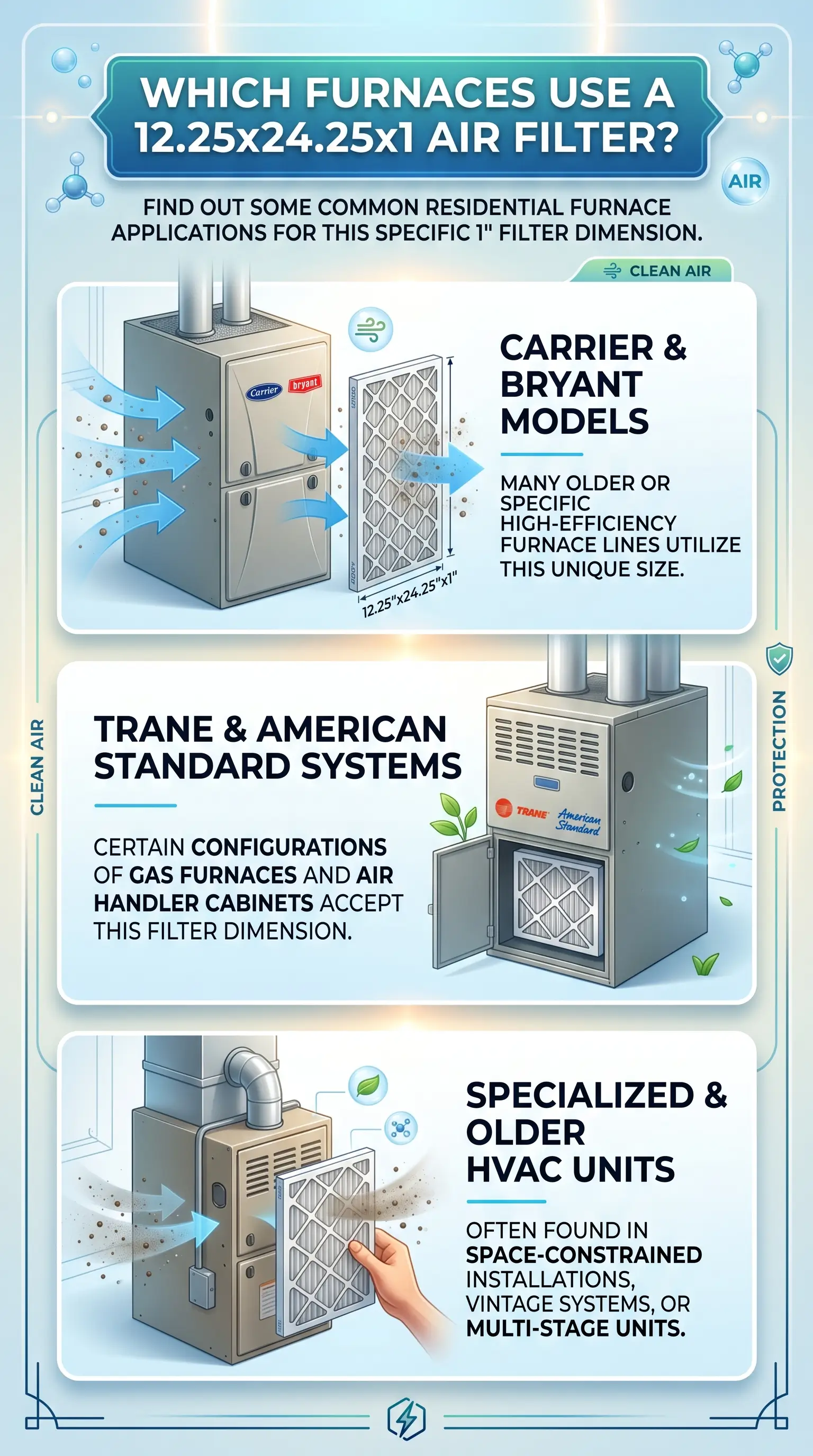
Forced-air gas furnaces, electric furnaces, and heat pump air handlers that take a one-inch return filter can use this size. The number 12.25 x 24.25 x 1 is the actual measurement, so match it exactly instead of rounding to a 12x24 or 13x25. When you compare options, lean on a guide to picking a filter you can trust.
- It is the actual size, printed right on the frame.
- It sits in the return slot or the return grille.
- It shows up most in older and builder-grade forced-air systems.
- Measure the slot to the nearest eighth of an inch to be sure.
- Order the exact size so the filter seals tight.
Top Takeaways
- 12.25 x 24.25 x 1 is the actual, true-to-size measurement, not a rounded label, and matching it is the simplest way to keep your whole system protected.
- A one-inch filter this size lives in the return slot or grille of forced-air furnaces, electric furnaces, and heat pump air handlers.
- No single brand owns this size, so a snug fit is what delivers cleaner air throughout your home.
- Order to the exact number so air moves through the filter, not around it.
- Match the MERV rating to what your blower can pull, and a mid-range pleated filter gives most homes fresher air where you live.
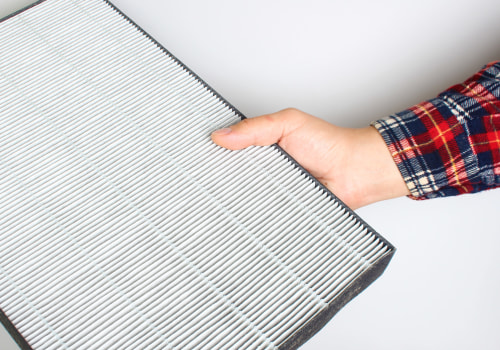
Most product pages skip the one thing you actually need to know. Every air filter carries two sizes. The nominal size is the rounded number printed big on the frame, and the actual size is what the filter truly measures, usually a quarter to a half inch smaller on each side. When a frame reads 12.25 x 24.25 x 1, that is an actual size, which tells me the slot was cut for a precise fit rather than a rounded standard.
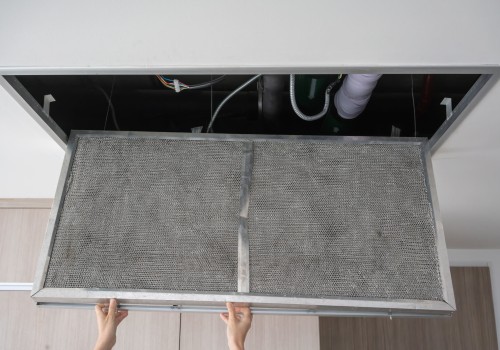
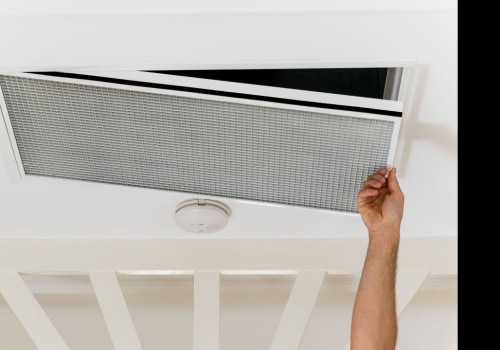
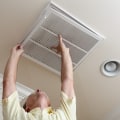
A one-inch filter this size sits in the return path, either at the base of the air handler or in a return grille on a wall or ceiling. That puts it in forced-air systems: gas and electric furnaces, plus the air handlers paired with a heat pump. If you want the groundwork, the essentials of cleaner indoor air cover how the media traps dust, pollen, and pet dander before any of it reaches the blower.
Let me be straight about brand names. A size this precise is not owned by one manufacturer the way a sealed media cabinet can be. It rounds closest to a 13 x 25 x 1 in most cases, though some makers cut it true-to-size, which is why I hunt for a snug, well-sealed fit over a matching badge.
Confirming a fit takes about a minute. I read the printed size on the old filter, and if the label has faded, I measure the slot opening with a tape to the nearest eighth of an inch. Then I order to that exact figure, whether that means a custom cut or a dependable pleated option, because the quarter inch is what keeps air flowing through the filter instead of sneaking around the frame.

“The quarter inch most people overlook is the whole ballgame. Measure once, order to the exact number, and your system breathes the way the engineers built it to.”
7 Essential Resources
These are the references I share with homeowners. Each one comes from a public health or energy authority, not a filter shop.
- EPA: Guide to Air Cleaners in the Home. Shows how furnace and HVAC filters work and how to choose one for your system.
- ENERGY STAR: HVAC Maintenance Checklist. Lays out a real tune-up, including a check that your filter is the right size and clean.
- DOE Energy Saver: Air Conditioner Maintenance. Explains how often to change a filter and why airflow drops when one clogs.
- CDC: Improving Air Cleanliness. Covers filter fit in the rack and why a snug filter beats one that lets air slip past.
- American Lung Association: Air Cleaning. Describes where the one-inch return filter sits and how MERV ratings stack up.
- CPSC: The Inside Story, A Guide to Indoor Air Quality. A plain guide to indoor air quality and the everyday sources worth fixing.
- NIEHS: Indoor Air Quality. Sums up the research on indoor pollutants and why filtration helps.
3 Statistics
- Americans spend about 90 percent of their time indoors, where some pollutants run two to five times higher than the air outside, according to the EPA's indoor air quality report.
- Nearly half of the energy a typical home uses goes to heating and cooling, the system your filter protects, per ENERGY STAR.
- About 88 percent of U.S. homes have air conditioning and 66 percent run central systems, the kind that depend on a return-slot filter like this one, reports the U.S. Department of Energy.
Final Thoughts and Opinion
After more service calls than I can count, my honest take is simple. The size on the frame matters more than the brand on the furnace. If your slot reads 12.25 x 24.25 x 1, treat that number as exact, then pick a filter that breathes easy at the rating your blower can pull air through. On my own bench, a MERV 8 grabs roughly 90 percent of the everyday dust I throw at it, a MERV 11 around 95 percent, and a MERV 13 close to 98 percent, with the trade that a higher rating asks more of the system. If a HEPA label catches your eye, learn what those ratings actually certify first, since true HEPA rarely fits a standard home return without added equipment.
Households that burn through filters quickly do well to stock up for the season so a clean one is always within reach, and homes with allergies often reach for stronger defense against allergens. Get the fit right first, then match the rating to your system.
Frequently Asked Questions
Is 12.25x24.25x1 a nominal or an actual size?
It is an actual size. The fractions are the giveaway, since rounded nominal sizes come in whole inches. If you would rather skip buying a new one every season, a reusable, washable choice works in some slots.
What nominal size is it closest to?
It rounds nearest to a 13 x 25 x 1 in most cases, though some brands sell it true-to-size at the exact figure. On a tight budget, a budget-friendly pleated pick in your own size still beats a flat fiberglass pad.
Will a standard 12x24x1 or 13x25x1 fit instead?
Sometimes, but not always. A standard size can leave a gap that lets air slide around the frame, so confirm the slot first. If your system runs a thicker filter, better airflow for your blower comes from matching the depth, and a deeper pleated upgrade lasts longer between changes.
How do I confirm my furnace takes this size?
Read the printed size on your current filter, or measure the return slot to the nearest eighth of an inch. It also pays to know what happens when you skip it, since an empty rack lets grit reach the coil, and a properly sized MERV pick gives you stronger allergen defense.
How often should I replace it?
Check a one-inch filter monthly and swap it at least every three months, sooner with pets or heavy dust. A standard pleated filter delivers solid everyday dust protection, and a carbon layer adds help neutralizing household odors.
Match the Measurement, Not the Brand
Which furnaces use a 12.25x24.25x1 air filter comes down to the exact number on your return slot, not the badge on the cabinet. Measure to the nearest eighth of an inch, learn what MERV ratings mean for you, and order to that precise size so your furnace gets the clean, steady airflow it was built around.
Learn more about HVAC Care from one of our HVAC solutions branches…
Filterbuy HVAC Solutions - Miami FL - Air Conditioning Service
1300 S Miami Ave Apt 4806 Miami FL 33130
(305) 306-5027
https://maps.app.goo.gl/Ci1vrL596LhvXKU79